
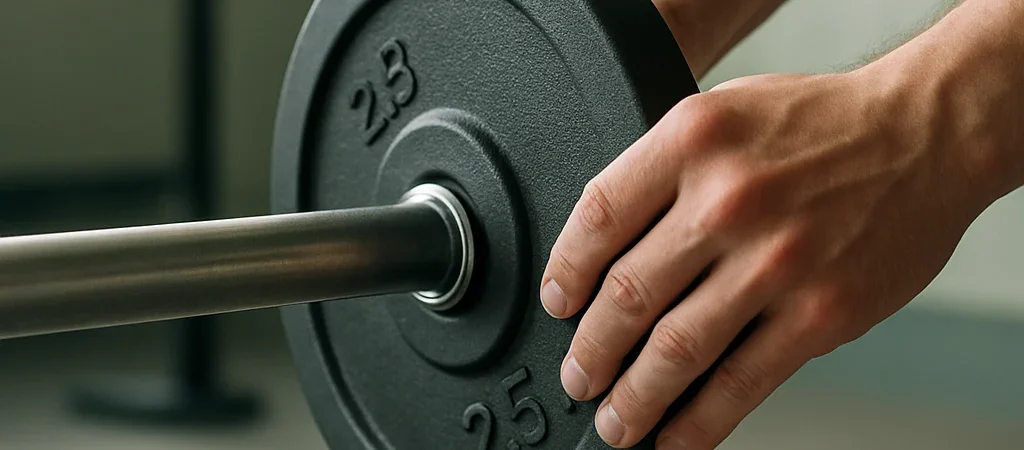
You finish a set feeling capable of more, and the plates are right there. Adding weight can be a sensible next step, but one good set is only part of the picture. Progress over time depends on whether you can repeat the work with control and recover well enough to train again.
Look for repeatable reps
Compare several sessions, not just the best moment from one. If you are completing the planned repetitions with consistent range of motion and without turning the final reps into a different exercise, a small increase may fit the plan. The exact jump depends on the lift and available equipment; the goal is a manageable challenge, not a dramatic leap.
Read the whole training week
A session happens inside a week of sleep, work, meals, and other training. If the same load suddenly feels unusually difficult or your technique is slipping, holding steady can be the more useful choice. Recovery is part of adaptation, and a coach should treat a slower day as information rather than a reason to force a number.
Use a simple decision rule
Agree on the rule before the set: meet the planned reps with sound technique across the prescribed work, then consider a small increase next time. If you miss reps or need to change your movement to finish, repeat the load or ask your coach to review the setup. That keeps progression understandable and gives you a reason for each adjustment.